- Our Coffees
- News & Views
- Events
- Contact
- About
- Search
About Kenya
Independent of British control since 1954, Kenya has taken the colonial infrastructure left behind and boomed ever since. One of the fastest growing economies in Africa, and most successful (and peaceful) nations in East Africa, Kenya is a proud nation with a lot to offer. Thanks to the proliferation of the English language, Kenya has a booming tourist industry. It is also the world’s largest exporter of Black Tea, and can count on horticulture and coffee as solid foundations for foreign export earners under its belt.
About Kenya Coffee
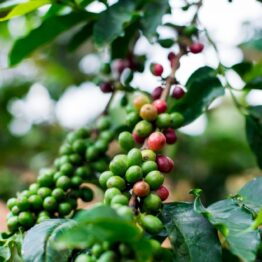
Kenya’s history with coffee stretches back to the turn of the 19th century when German missionaries first arrived bringing Bourbon trees with them, and planted in the colonial era. The coffee industry boomed in Kenya under British rule, and the famed Kenya AA became synonymous with coffee quality. Often referred to as the ‘best coffee in the world’ Kenya coffee has a strong following from the specialty (3rd wave) market, and rightly so. It’s high grown coffees in iron rich, red volcanic soils, temperate climate and proximity to the equator create the perfect growing environment. A well respected coffee research station, and excellent local knowledge in washing techniques, brings out the very best that Kenya has to offer. Blackcurrants, berry fruits, bright acidity and with a solid body and creamy mouthfeel makes Kenya the “go-to” coffee to add a little zing to your blend – or to enjoy as a single origin, pour over black coffee to savour.