There are few cities where coffee feels so deeply embedded in urban fabric like Amsterdam. Just by walking through the city, coffee is impossible to avoid. There are traditional Dutch cafés serving straightforward filter coffee, international chains, tiny espresso bars, modern speciality cafés, roasteries, brew bars and restaurants where coffee has become part of the culinary experience. For a city of its size, Amsterdam has an extraordinary concentration of coffee businesses.
Where it all Started
Coffeehouses in Amsterdam are not a new concept. The earliest records of coffeehouses in Amsterdam date as far back as the 1660s. By around 1700, the city had around 30 of them.
These establishments were not simply places to drink coffee, but places to meet people, exchange information, read newspapers, discuss politics, conduct business, gamble and argue. Many were concentrated around the city’s commercial centre and the Amsterdam Stock Exchange. Coffee and commerce became closely connected.
Modern cafés can be an office, meeting place, social space, lifestyle venue, showroom, community centre and sometimes even a place to discover new ideas. Though the format may have changed, the functions are still apparent.
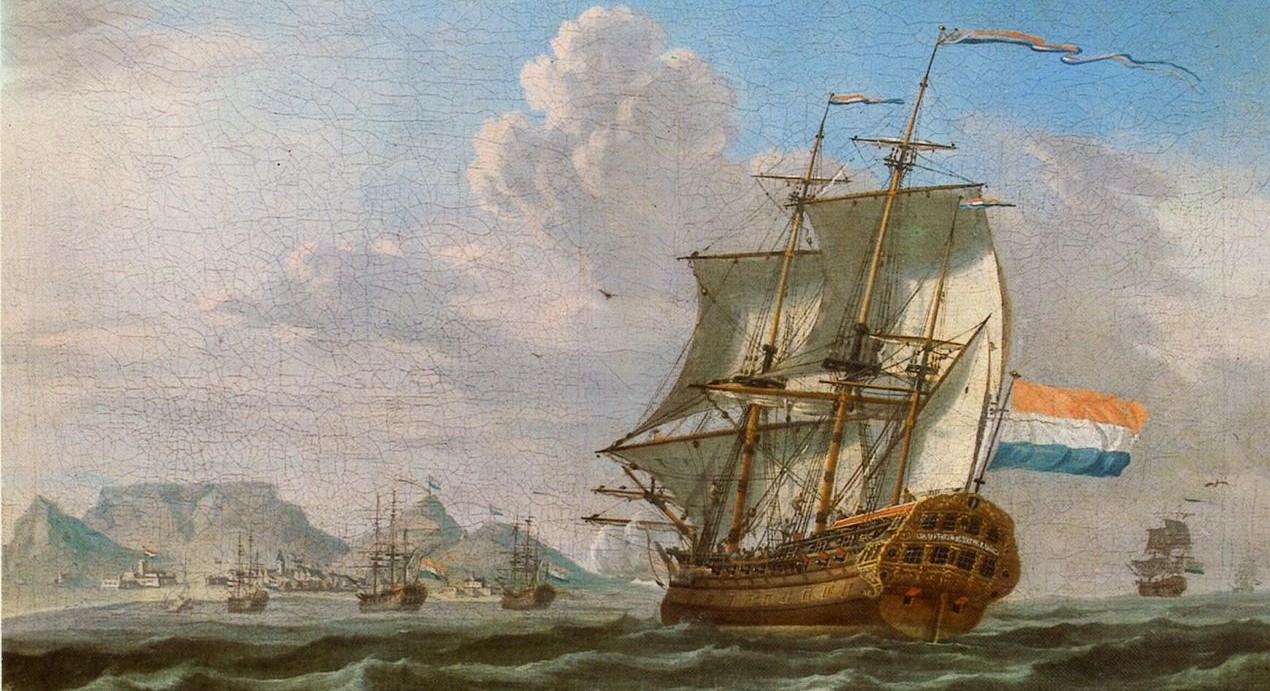
Amsterdam’s coffee story also begins with global trade. The romantic version of Amsterdam’s coffee history starts with coffeehouses, but hand in hand with the less comfortable version that starts with the VOC — the Dutch East India Company.
Initially, coffee came to Europe through existing trade networks, including the coffee trade centred around Mocha in Yemen. The Dutch, however, wanted something more valuable than simply buying coffee. They wanted to grow it themselves.
In the late seventeenth century, the VOC succeeded in bringing coffee plants from the Arabian world to Java. Coffee cultivation subsequently expanded across the Dutch colonial territories.
The first coffee plants from Java arrived in Amsterdam around 1706 and were cultivated in the city’s Hortus Botanicus. A coffee plant originating in East Africa, cultivated in Arabia, transported across the world and eventually grown in the middle of Amsterdam. From there, plants were propagated and sent to other Dutch colonies, including Suriname. This collection of coffee plants became part of the parent stock for coffee cultivation across Central and South America.
The Industrial Coffee Era in the Netherlands
For much of the twentieth century, the Dutch coffee market became dominated by industrial-scale production. Companies such as Douwe Egberts helped create a culture where coffee was essentially a household staple. Coffee became reliable, familiar and inexpensive. The goal was consistency. The Dutch consumer wanted coffee that tasted like coffee, which matters when looking at the speciality revolution. Speciality coffee did not arrive in an empty market; it arrived in a country with a strong existing coffee culture.
One of the important early players was Bocca, which traces its speciality coffee operation back to 2001 and describes itself as one of the first speciality roasters in the Netherlands to manage the chain from sourcing through roasting and serving. CoffeeCompany opened its first Amsterdam location on Leidsestraat in 1996, starting with one shop and a borrowed roaster. The business subsequently grew to 35 stores before being sold to Douwe Egberts in 2013. As in many other countries, this was a bridge between traditional Dutch coffee consumption and modern café culture.
But Amsterdam is only one part of the Benelux story. If you look at coffee through the lens of trade rather than cafés, the Benelux becomes a fascinating region. With two of Europe’s strongest ports, Rotterdam in the Netherlands and Antwerp in Belgium, the region forms one of Europe’s most important coffee ecosystems.
In 2025, Belgium imported approximately 282,000 tonnes of green coffee, with 88% coming directly from producing countries. It re-exported around 184,000 tonnes, according to the CBI, which is roughly two-thirds of its imports. That makes Belgium Europe’s largest re-exporter of raw, unaltered green coffee.
The Dutch Expertise
One of the most interesting developments in the Dutch market is the growth of specialised green coffee importers. Many importers operate from the Netherlands, including DRWakefield, with our Amsterdam office located in a beautiful area just a short walk from Oosterpark and the Hortus Botanicus mentioned earlier.
This creates an unusual density of expertise and a perfect breeding ground for speciality roasteries and cafés. DAK, Friedhats, White Label, Stooker, Five Ways, Lot61 — and the list continues. These are not just roasters known within the country, they are recognised internationally, taking top places in world coffee competitions and building visibility far beyond the Netherlands.
They are known for exceptional sourcing and meticulous roasting, and that reflects the quality of cafés across the region.
350 years later, the coffeehouse is still here.
In the seventeenth century, people went to coffeehouses to meet other people, read information and discuss ideas. Three hundred and fifty years later, essentially, people still do the same thing. Furniture is different, coffee is different and equipment has improved, but the fundamental idea remains the same.
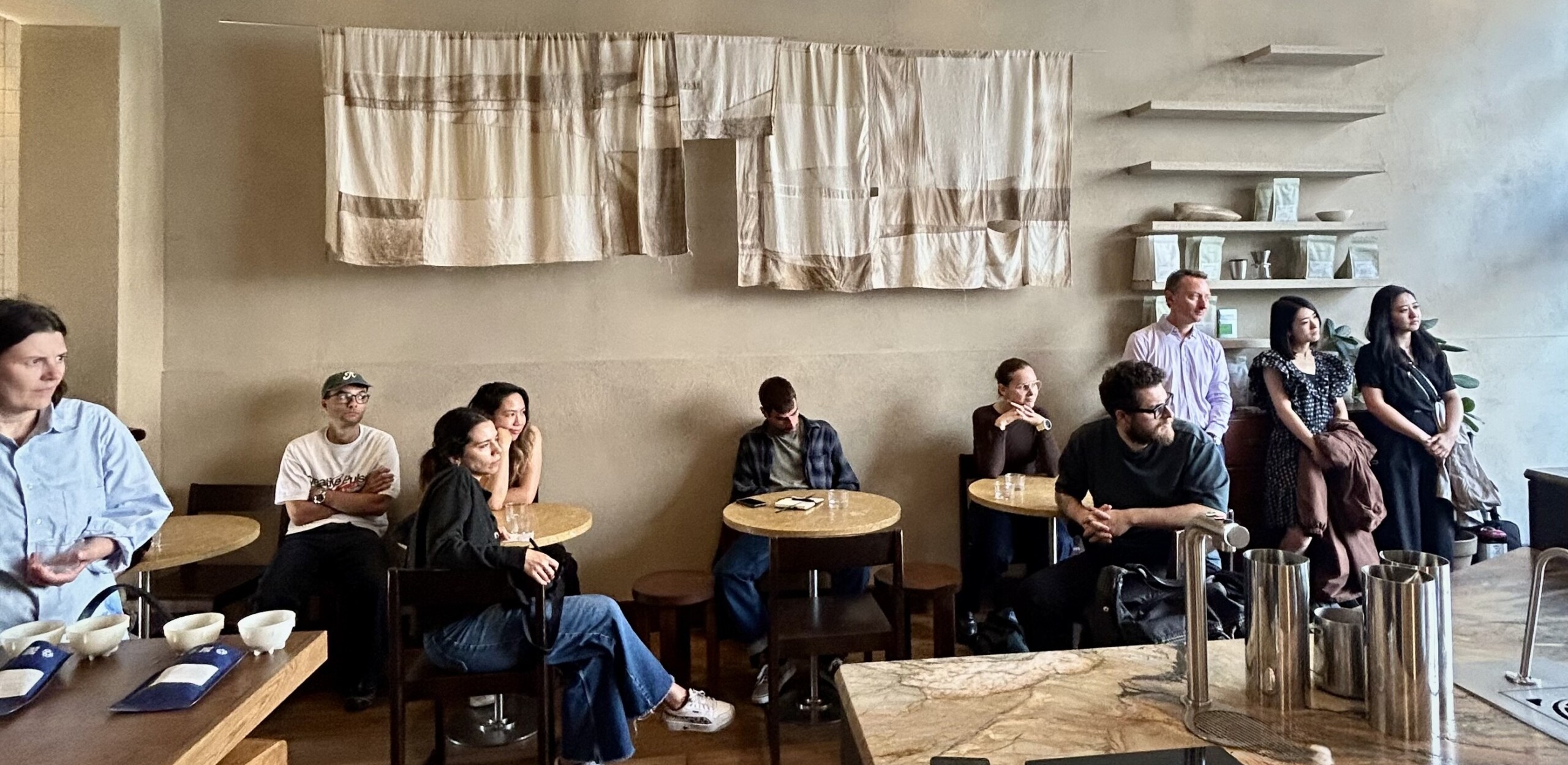
Coffee brings people together.
The first coffeehouses helped create a new social space in the city. Today’s cafés do the same, creating an oasis. A medium for conversation – for meeting people, or simply for enjoying a warm drink with your favourite book, with classic Amsterdam rain behind the window.