Welcome to DRWakefield’s Weekly Coffee Market Report.
This report touches upon the Arabica and Robusta coffee futures market, currency pairings and news from origin. See our Market Report Terms page for clarity on any terminology in the coffee market report below.
Live Market Data
Coffee Market Report
This report covers the period from Monday 28th September to Friday 2nd October and was written by Hannah Wakefield and James Duncan.
 Arabica (Chart: TradingView)
Market Report
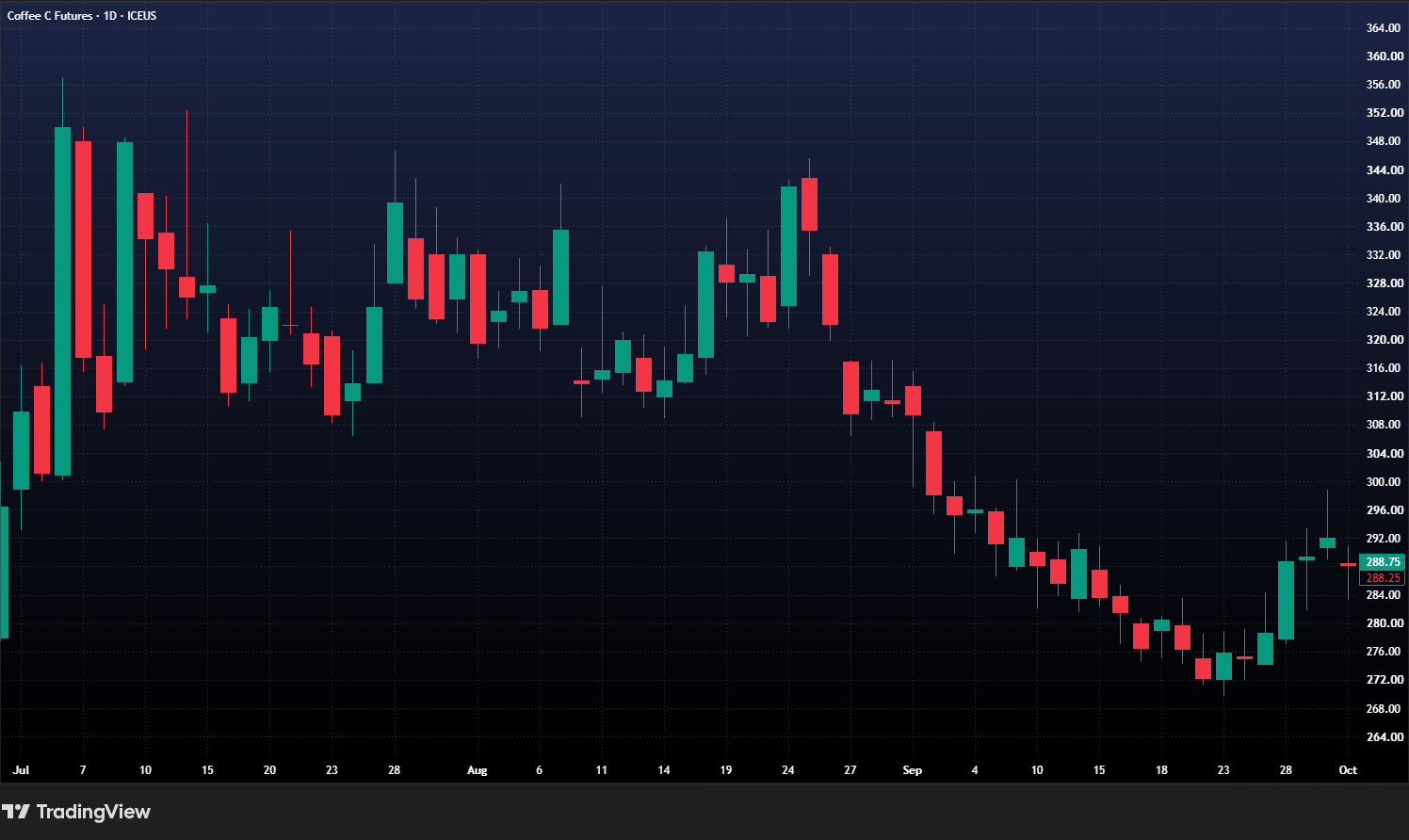
The market opened at 277.90 usc/lb on Monday 28th September off the back of a mild rally from the previous week and posted +10.15 usc/lb by close – briefing pushing above 290 before settling at 288.75 usc/lb. No single reason is quoted for the increase, although buy orders & sell stops at 270 seemed to cap the month-long bear run the week prior, leaving specs to test the 290 level on the upside.
After the rally on Monday, the rest of the week was spent testing various highs and lows on alternating days, with an almost net zero impact on close. Tuesday pushed back down towards 280 before recovering back to just +0.45 usc/lb above open (289.45 usc/lb). Wednesday tested the upside, reaching 298.80 usc/lb before falling back to 290.70 usc/lb on close. Thursday reversed to lows of 283.30 usc/lb before recovering to 288.25 usc/lb, and Friday continued the trend by testing 300 again before closing the week at 288.75 usc/lb. Excluding Monday, we saw a range of 17 usc/lb during the day, but closing trades were all within 2.45 usc/lb. This shows an increase in volatility in the market, without clear direction. Until a break is made either way, it seems the market is happy to hang around the 290 usc/lb mark.
 DXY (Chart: TradingView)
 GBP/USD (Chart: TradingView)
Currency & Macro
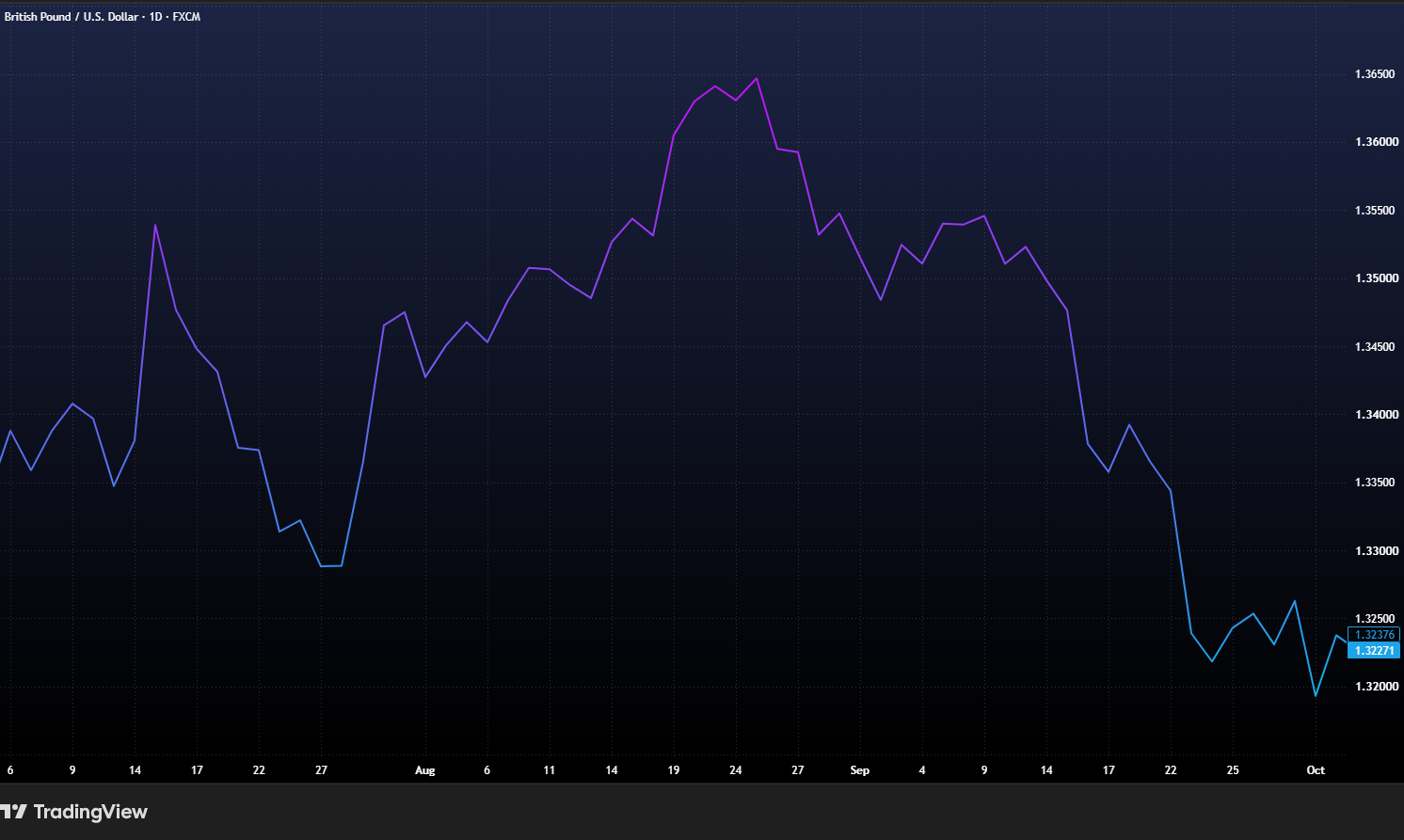
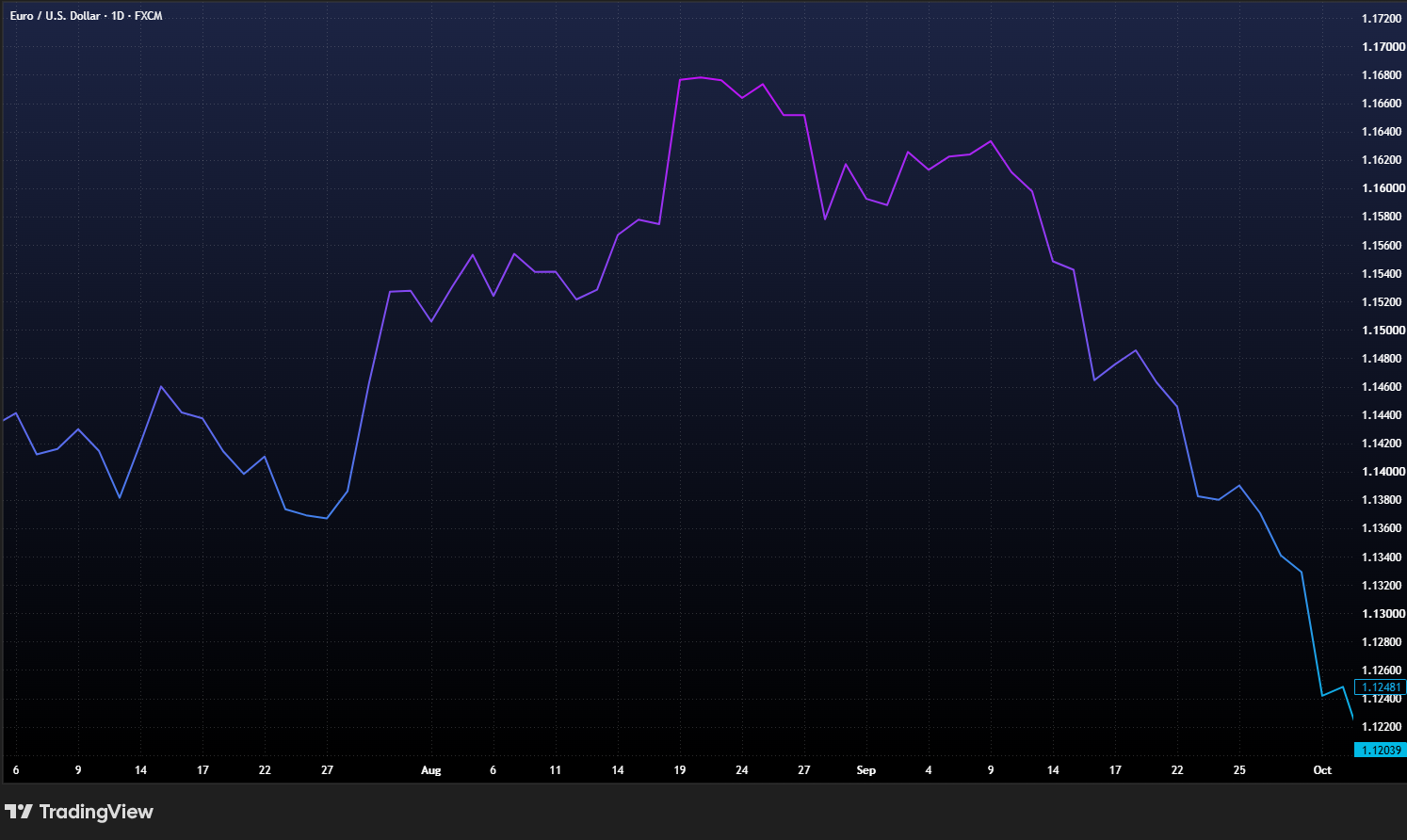
The week in FX was dominated by stronger than expected US economic data, and a strengthening USD as a result. GDP growth was reported at 2.2%, above expectations, while employment data showed 90,000 jobs added – also exceeding forecasts. Inflation meanwhile remained high, which supports the possibility of Fed interest rate hikes – making the USD an attractive currency reserve. The DXY rose to ~102 – it’s highest level this year.
The EURUSD pair fell to 1.125 during this period because of the dollar’s strength, while the GBPUSD pair remained slightly more resilient, holding ground around 1.325.
 EUR/USD (Chart: TradingView)
Origin
El Niño continues to dominate origin news. In Brazil, the phenomenon may delay rains in October that are crucial during the flowering stage of the harvest, which would impact the 26/27 crop. However, so far, during September much of the coffee-growing region in Brazil had above average levels of rain, which is positive news for the next harvest.
Colombia is also expected to be affected. According to the Bank of America, Colombia is the country in Latin America that has the most ‘inflation-vulnerable economy under a severe El Niño scenario’. They estimate the impact may be a 1.4% increase in food
Coffee Market Report
This report covers the period from Monday 21st September to Friday 25th September and was written by Hannah Wakefield and Jamie Treby.
 Arabica (Chart: TradingView)
Market Report
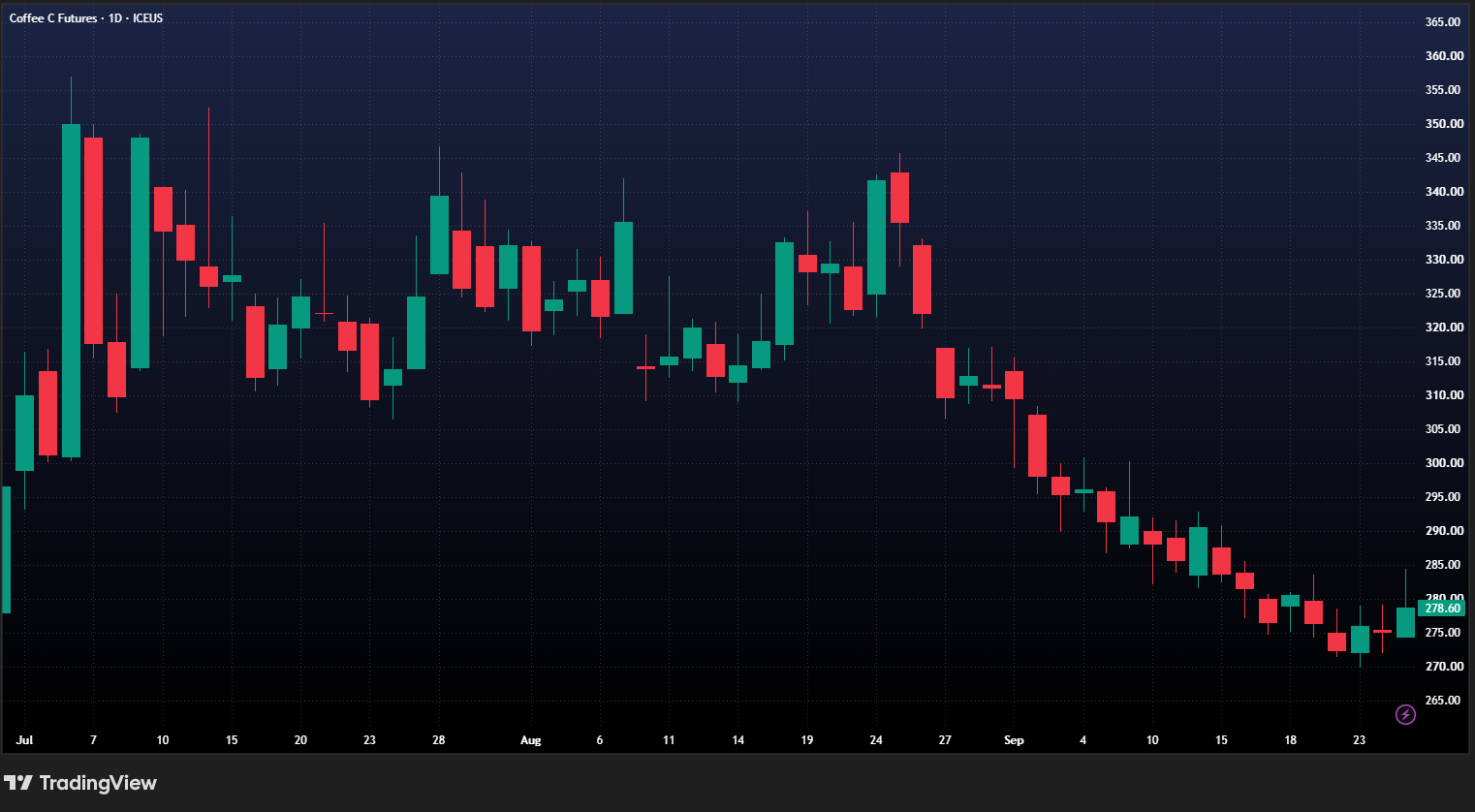
The market opened at 279.70 usc/lb, +2.50 usc/lb on Friday’s close, and immediately fell back below 277. After a brief rally mid-morning to 282, global outlook eventually pushed it back to 276.40 usc/lb on close. The downwards trend continued on Tuesday, following news of an increase of certified stocks to 256,678 with ~20,000 bags pending grading. Wednesday saw the market start to rebound, closing higher for the first time in 6 days. Thursday closed marginally higher, but the volume of trading was low. Friday closed at 278.60 c/lb, just 1.10 c/lb difference (lower) than week opening.
CONAB have said that this year’s Brazil harvest is now 99% complete and the total volume was 67.6 million bags, 19.6% up year-on-year. The attention has already moved to next crop, and the rains needed for the next flowering. The outlook across regions is currently mixed. This is telling of where the NY coffee market is at the moment, with Stonex summing up the situation succinctly, stating that ‘coffee remains caught between improving supply and weather risk’.
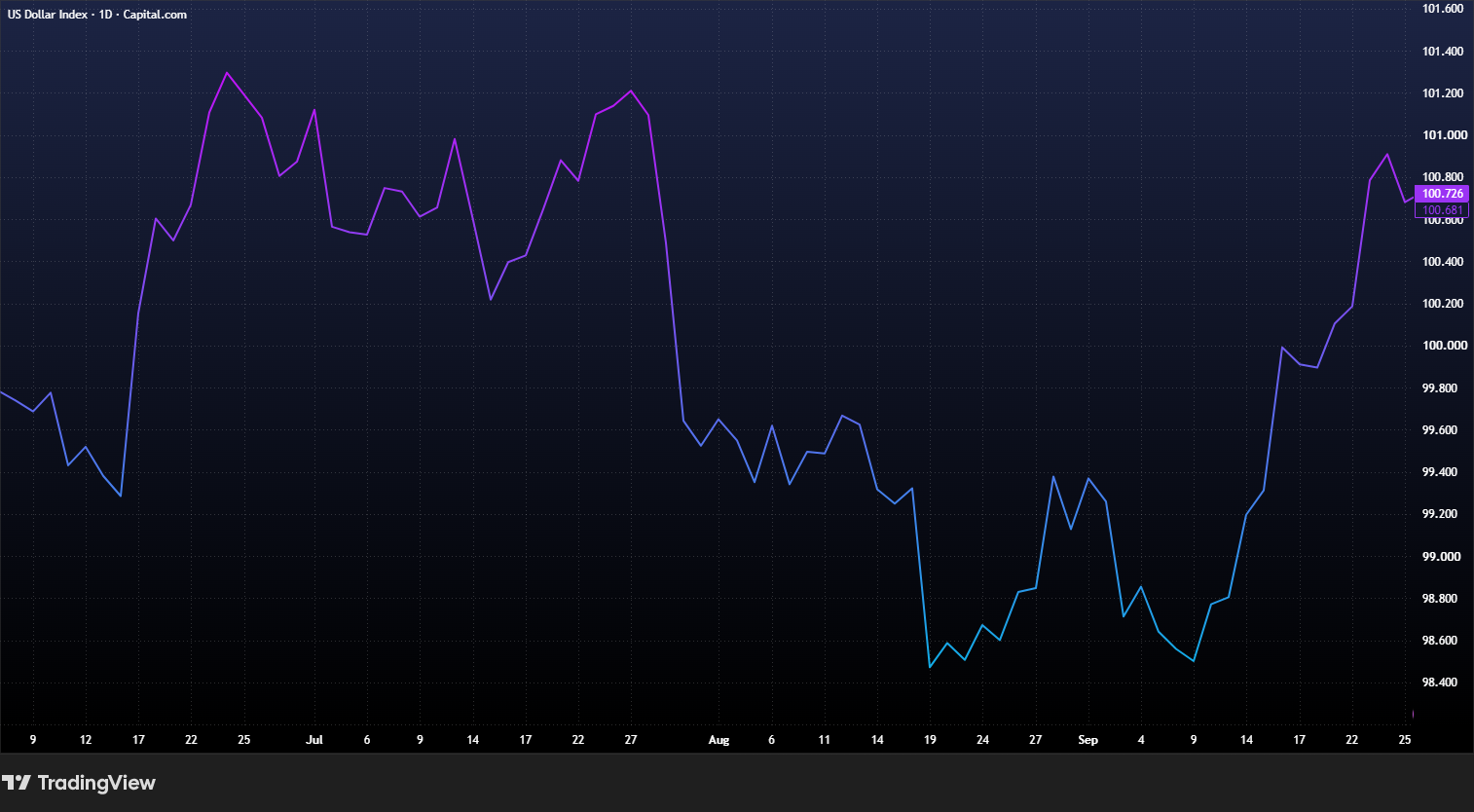 DXY (Chart: TradingView)
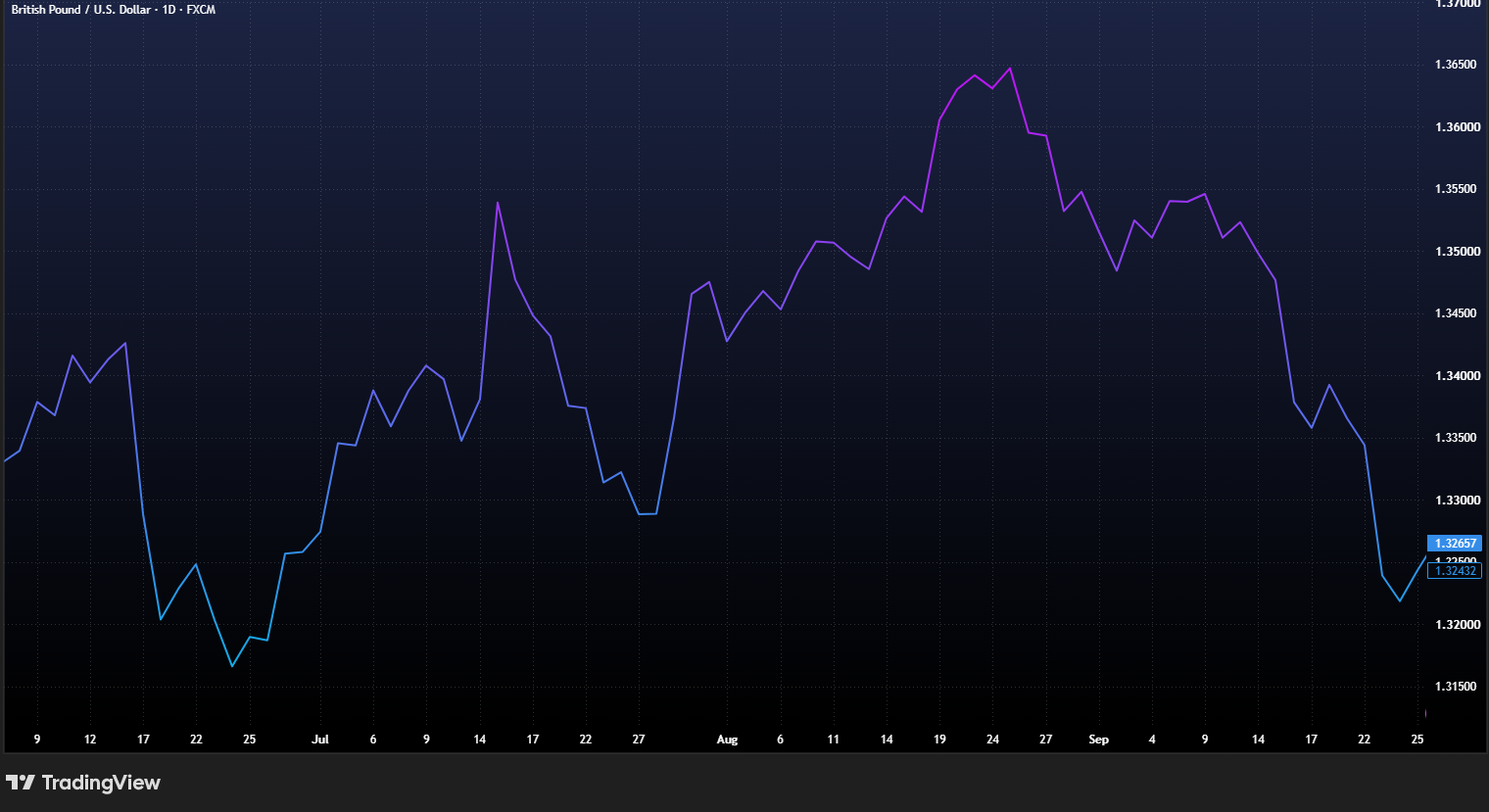 GBP/USD (Chart: TradingView)
Currency & Macro
Trump has rejected Iran’s latest proposal to reopen the Strait of Hormuz, flaring tensions and scaring markets. Trump says he expects talks to resume this week, but he also expects to resume the US bombing campaign in Iran after the US midterms in early November, and is skeptical about Iran’s willingness to meet his demands. Iran has also said that it is unwilling to soften its demands and conditions for a reopening of the Straits. In short, no resolution seems to be on the immediate horizon.
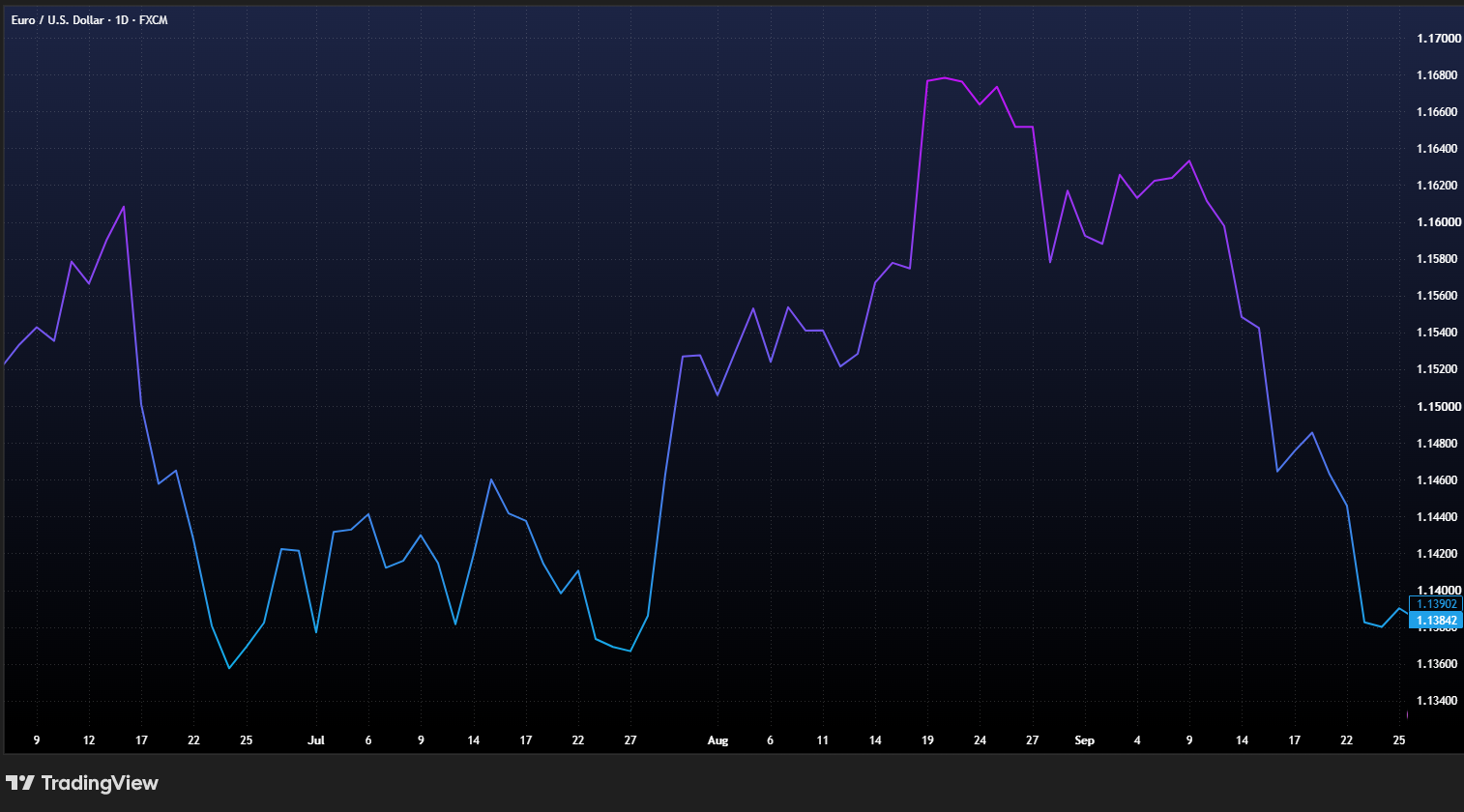 EUR/USD (Chart: TradingView)
Origin
Regenerative agriculture, and the new certification introduce by Rainforest Alliance, has taken Brazil by storm, with 80,000ha of coffee-growing land now being certified. This is a substantial figure, making up 3% of Brazil’s total coffee-growing area and expected to produce 1.6 million bags of coffee. The certification, and practices it champions, are focused on soil health and quality. Understanding that the soil is the starting point for any crop, and includes practices such as use of cover plants, improving soil nutrients and water availability in the soil, with the intention of increasing production in a way that is truly sustainable. Yuri Feres, the national director of Rainforest Alliance in Brazil, has expressed surprise at how well the certification has been embraced by farmers in Brazil and the enthusiasm buyers have shown for it too. This year supply was barely able to meet demand for coffee with this certification. The benefits for farmers are becoming increasingly clearer too. Already they have noted a reduction in production costs, as fewer pesticides and chemicals are used, and an increase in productivity of trees. As this certification and its practices continue to develop, it is certainly one to watch.
The United Nations Development Programme (UNDP) has raised concerns around the impact of El Nino on West and Central Africa, including the Democratic Republic of Congo. There is a high risk of a rainfall deficit in the region, a region already suffering through some of the most severe humanitarian crises, driven by conflict. Adding further difficulties, unlike other regions, there is no consensus on what the climate impact for this region will be, making it harder to prepare. Different weather-forecasting bodies are predicting different outcomes, some say there will be a large rainfall deficit, whilst others say the opposite, that the rainfall will be heavier than usual. Both outcomes could prove very challenging. However, what the UNDP highlight, is that the underlying conflicts that are the primary issue, citing examples such as the war driven by the M23 and Congo River Alliance coalition that continues to escalate in eastern DRC. The impact of climate stress acts as a multiplier to the threat caused by such existing conflicts. The outcome of these combined factors will likely further increased food scarcity. The UNDP are calling for anticipatory intervention and donations to try and mitigate some of the potential impact.
Guatemala has experienced rainfall last week, following a prolonged hot and dry period. This is positive in terms of improving soil moisture and water availability in many coffee-growing regions. Although, on the other hand, persistent rains across the country are causing problems with infrastructure. Namely triggering landslides, which have made many roads and bridges impassible, which means many areas are becoming very difficult to access. There are also concerns of the impact of this in the regions where harvesting for the next crop has begun already. San Marcos and the South Coast are concerned about the risk of ‘cherry drop’ because of the excess rain, as well as delayed or uneven ripening. At this very early stage of the harvest, current predictions are expecting about a 10% decrease in volume versus the previous crop.
Coffee Market Report
This report covers the period from Monday 14th September to Friday 18th September and was written by James Duncan and Jamie Treby.
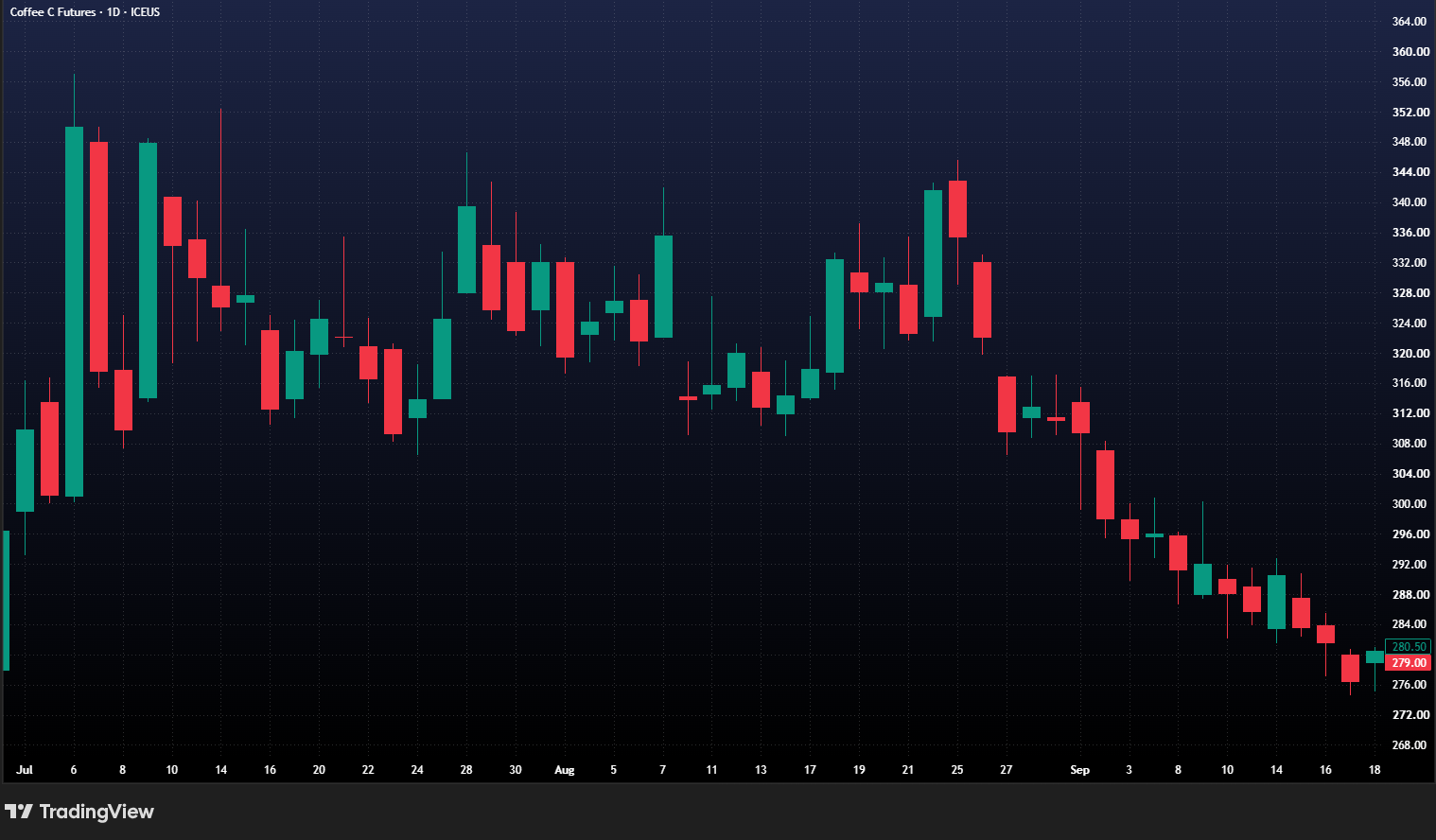 Arabica (Chart: TradingView)
 Robusta (Chart: TradingView)
Market Report
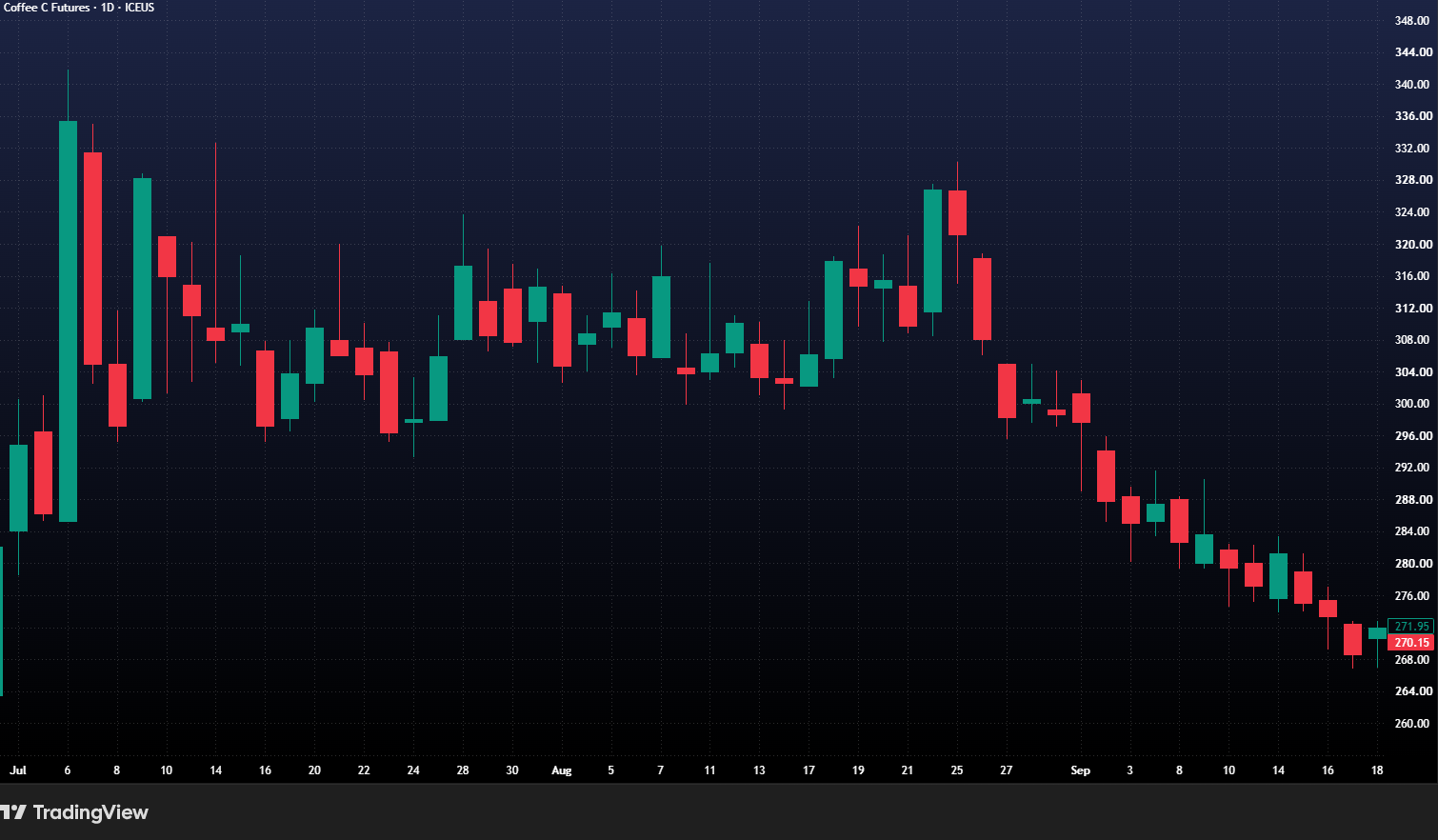
The market opened at 283.55 usc/lb on Monday 14th September off the back of a long, tapering decline since the end of August. Although the fundamentals remain bearish, the market posted the largest single day gain vs previous close (+4.80 usc/lb) potentially due to commercials capitalising on the relatively low market or covering from non-commercials who still possess open longs. Whatever the reason, the sentiment didn’t stick with Tuesday undoing almost all Monday’s gains – closing out at 283.65.
The overarching bearish momentum continued throughout the week, with Wednesday and Thursday posting -2.10 and -5.05 usc/lb respectively (vs previous day close). Additions to certified stocks and a stronger dollar, combined with strong fundamental news surrounding the Brazil crop (current and ’27) provided pressure on prices. Friday posted modest gains, closing the week at 280.50 usc/lb, a weekly change of -3.05 usc/lb with a range of 18.15 usc/lb.
 DXY (Chart: TradingView)
 GBP/USD (Chart: TradingView)
Currency & Macro
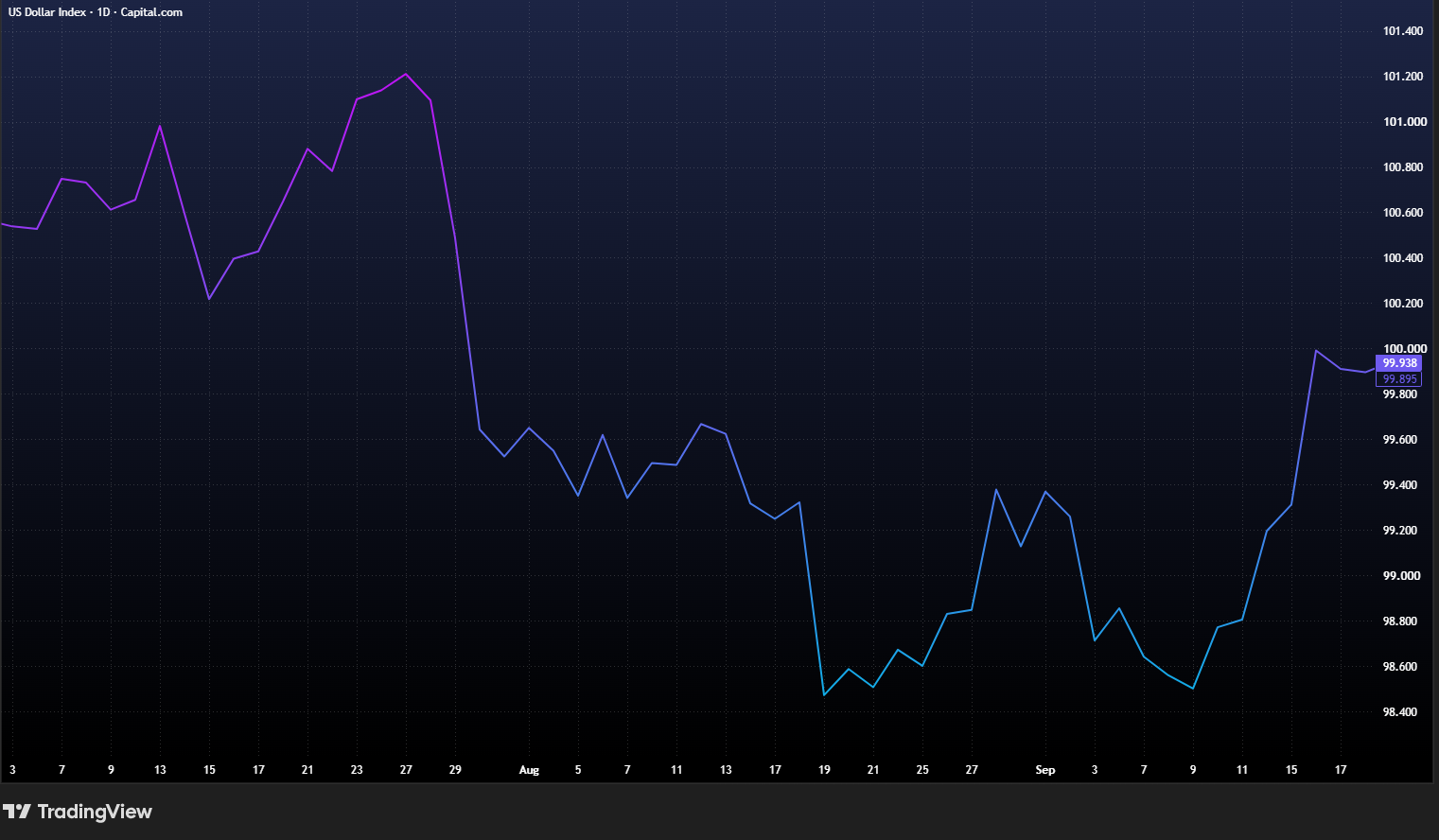
The main news for the week was the interest rate increase from the Fed. Ater a unanimous decision, the US hiked interest by 0.25% to a 3.75 – 4% range. The chair, Kevin Warsh, cited consistently heightened inflation data as the main reason for the hike. As a result, the DXY pushed above 100 for the first time in recent weeks, as investors eyed the possibility of a further hiked in October given recent economic data and the unanimous decision.
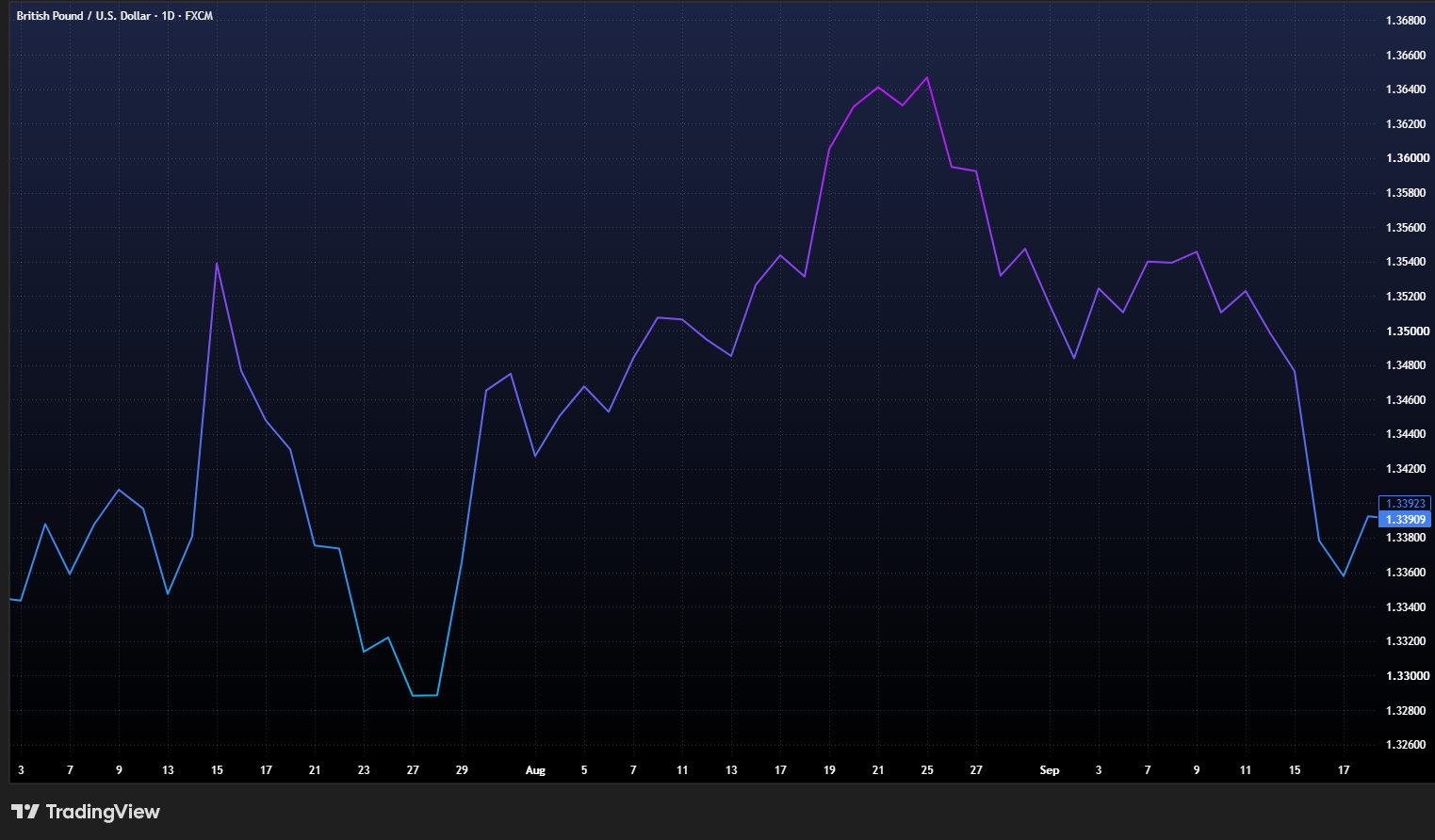
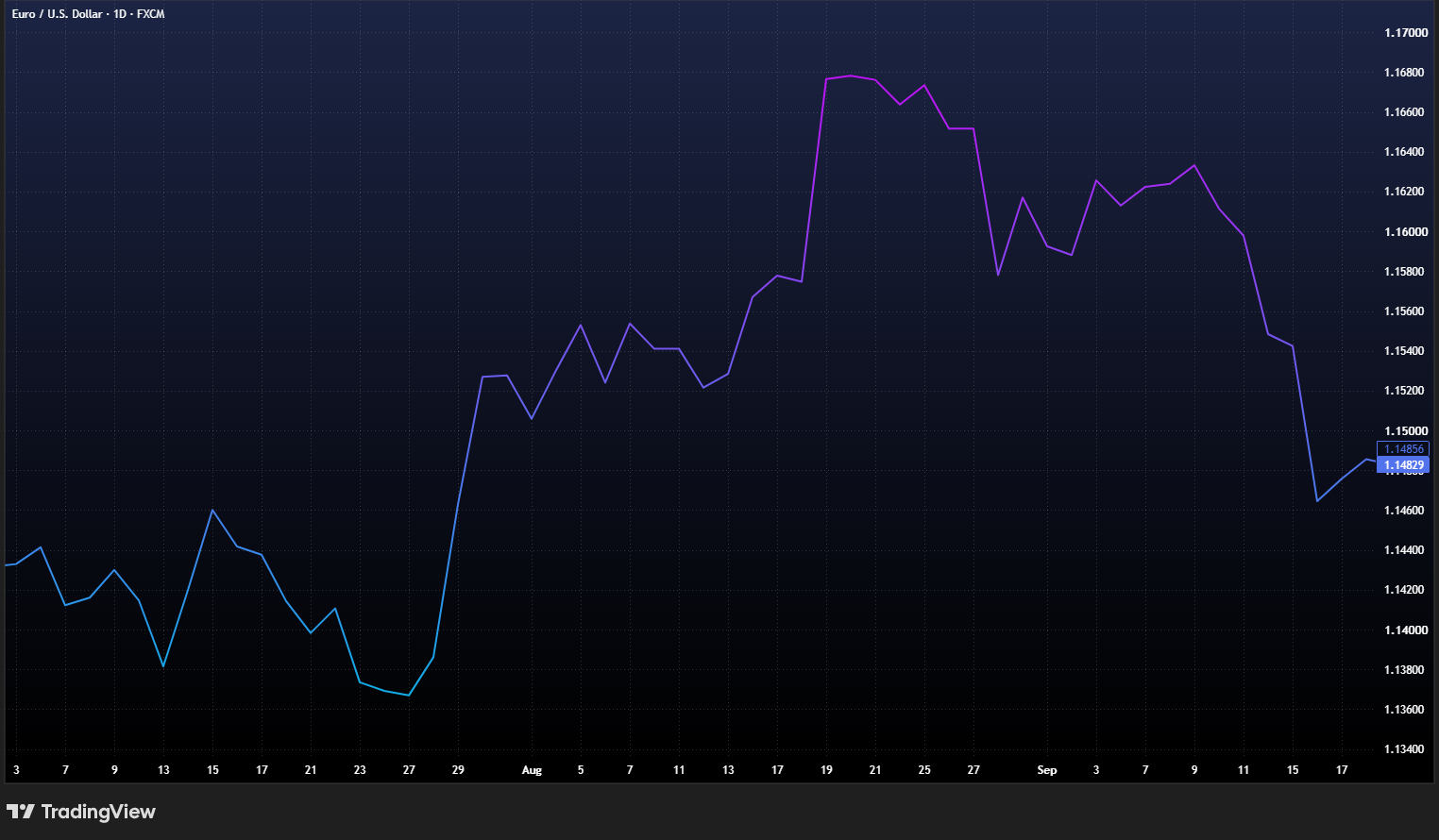
This in turn affected both the GBP/USD and EUR/USD currency pairs, with market participants viewing the hawkish policy of the Fed as a stronger bet than either the ECB or BoE. Although economic data isn’t particularly damning for either the Eurozone or the UK lately, the decrease to sub 1.34 and 1.15 respectively, comes as a direct result of the Fed rate hike.
 EUR/USD (Chart: TradingView)
Origin
Improved Coffee flow in Colombia has allowed exporters to offer more competitive FOB differentials, although more conservative exporters aren’t willing to lock in process after Dec26 until the picture on global supply is clearer.
Elevated soil moisture levels are expected to help balance an expected dryness in the country that is caused when El Nino occurs. The rains that help with flowering and so give an initial reading over the next harvest, are also expected to maintain and so production, at least for the moment, looks to be hitting some reported expectations of around 13 million bags.
Uganda’s coffee sector is navigating a period of softer prices attributed to the completion of the Brazilian harvest and rising Vietnamese exports causing a global market adjustment downwards, rather than a weakening demand.
It was reported that prolonged drought conditions and elevated temperatures in key growing regions, including Greater Masaka, Kyotera, Sembabule, and Luwero, are estimated to have reduced coffee quality and processing yields by around 10 per cent. This caused Uganda’s July export volumes to fall 18.6 percent. However, farmgate prices were remaining strong, with Robusta staying above the previous year’s figures, and Arabica reported as 8.5% higher.
Meanwhile Malaysia was sending positive signals as the Uganda High commission in Kuala Lumpur held a strategic engagement with COFFEX. The partnership between the countries’ producers and the ASEAN importer is being credited for an increase of exports from Uganda to the Wider ASEAN region.
Coffee Market Report
This report covers the period from Monday 7th September to Friday 11th September and was written by James Duncan and Jamie Treby.
 Arabica (Chart: TradingView)
Market Report
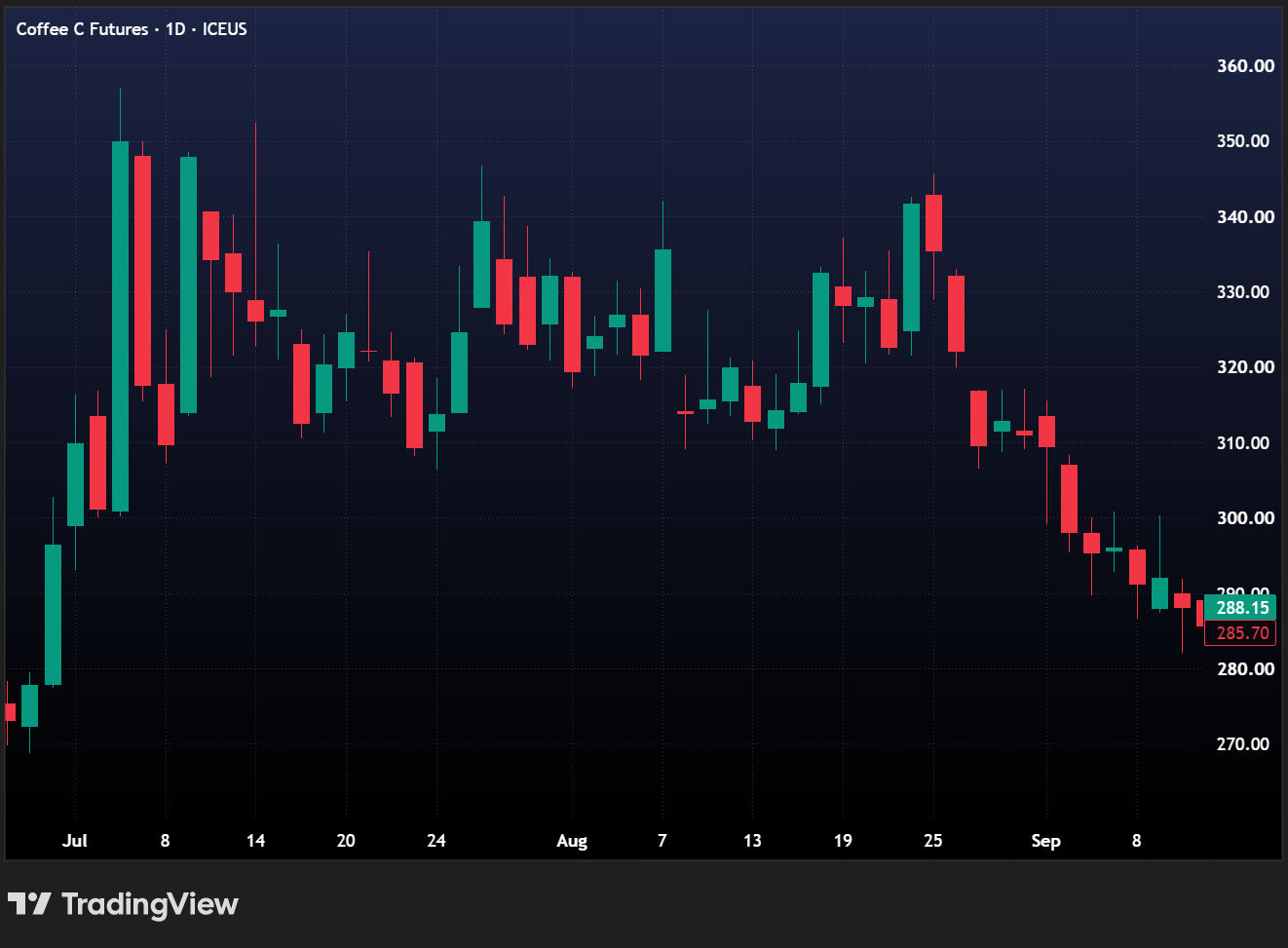
The Arabica market was closed on Monday 7th September for Labor Day, marking the end of summer for many across the pond. Opening on Tuesday at 295.80 usc/lb, the market moved mostly down on pressure from increased Brazil exports, hitting lows of 286.60 usc/lb before closing at 291.30 usc/lb.
Robusta, meanwhile, closed +53 $/mt after heavy rains were forecast in Vietnam. Wednesday saw a rare instance of the Arabica market following the Robusta market (rather than the other way around), pushing Arabica just above 300 usc/lb. After hitting this psychological level, the market corrected and ended up closing just 0.75 usc/lb above Tuesday’s close at 292.05 usc/lb.
Thursday opened lower on news of an additional ~38,000 bags pending grading for certified stocks, pushing the market all the way down to 282.10 usc/lb, before weakness in the Brazilian Real (which discourages exports) brought it back to 288.15 usc/lb for close. Friday saw a continuation of the market’s bearish sentiment, closing the week at 285.70 usc/lb, -10.10 usc/lb from week open.
 DXY (Chart: TradingView)
 GBP/USD (Chart: TradingView)
Currency & Macro
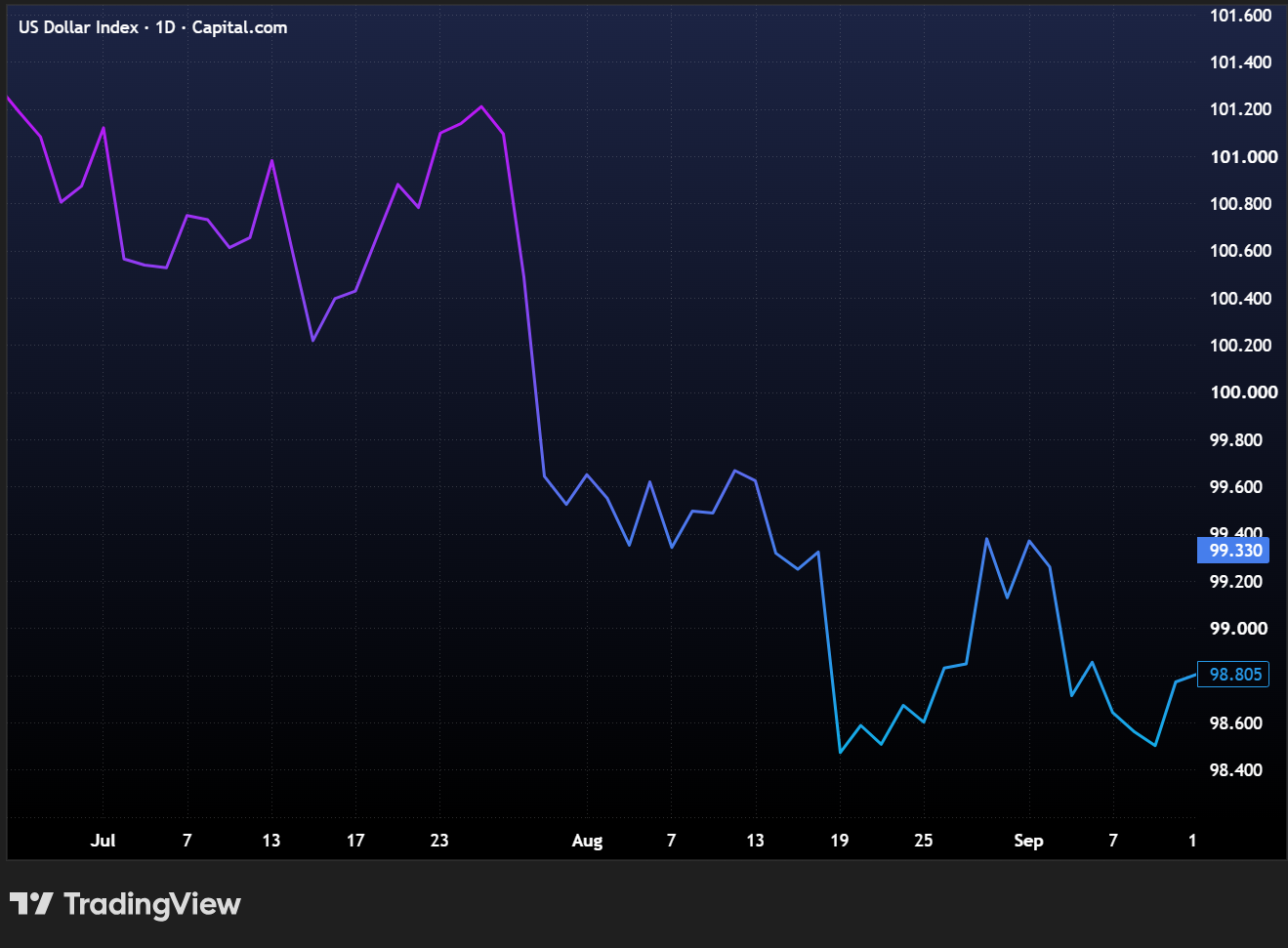
The currency markets traded mostly flat this week, with the DXY trading around 98.80 at the beginning of the week and strengthening slightly to 99.10 by Friday. This stability was slightly surprising, given the increased volatility during and weak stock markets which usually indicate a swing towards the ‘safe haven’ dollar. This suggest markets are more incentivised by interest rate expectations than shoring up in the green back currently.
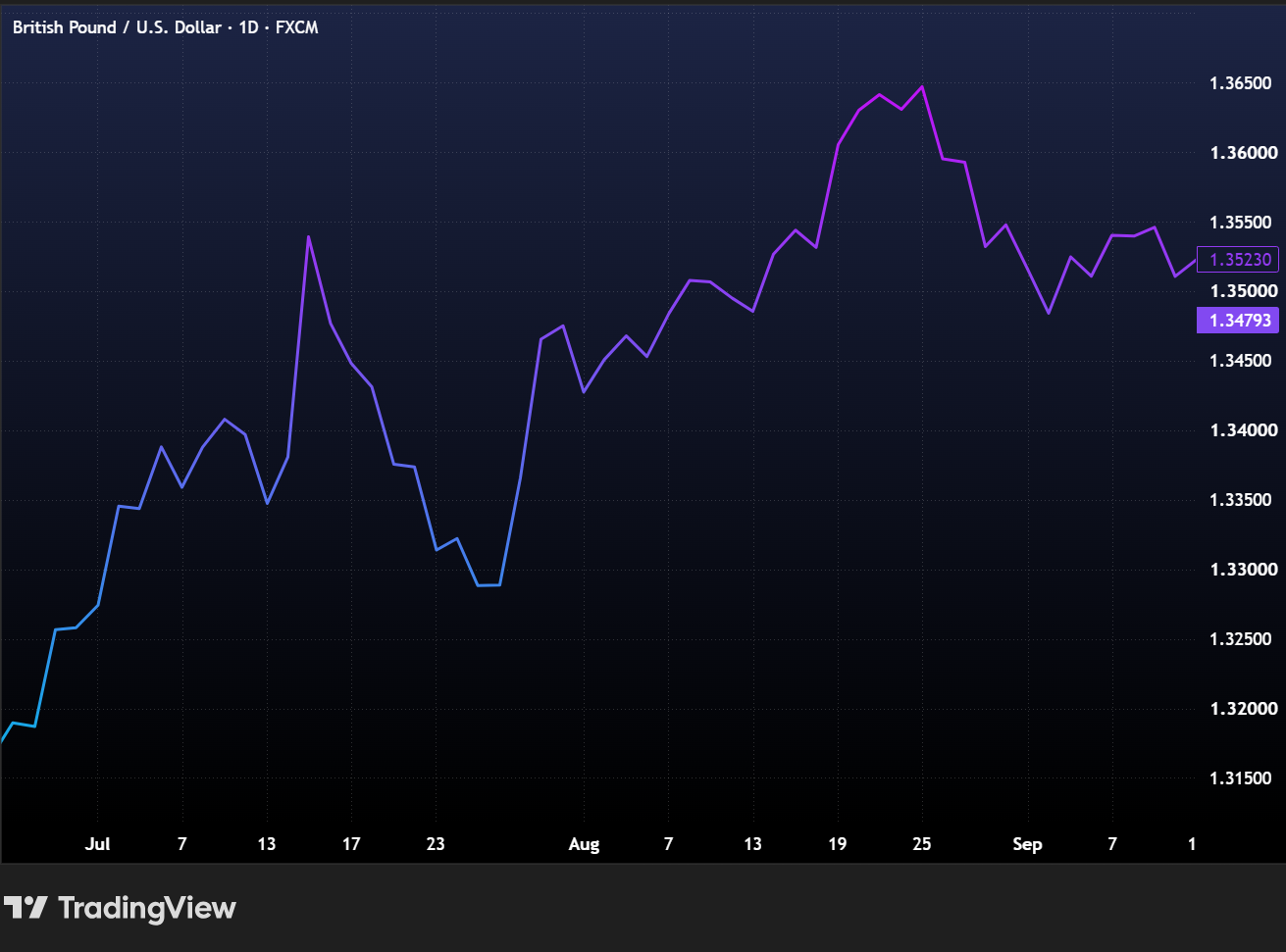
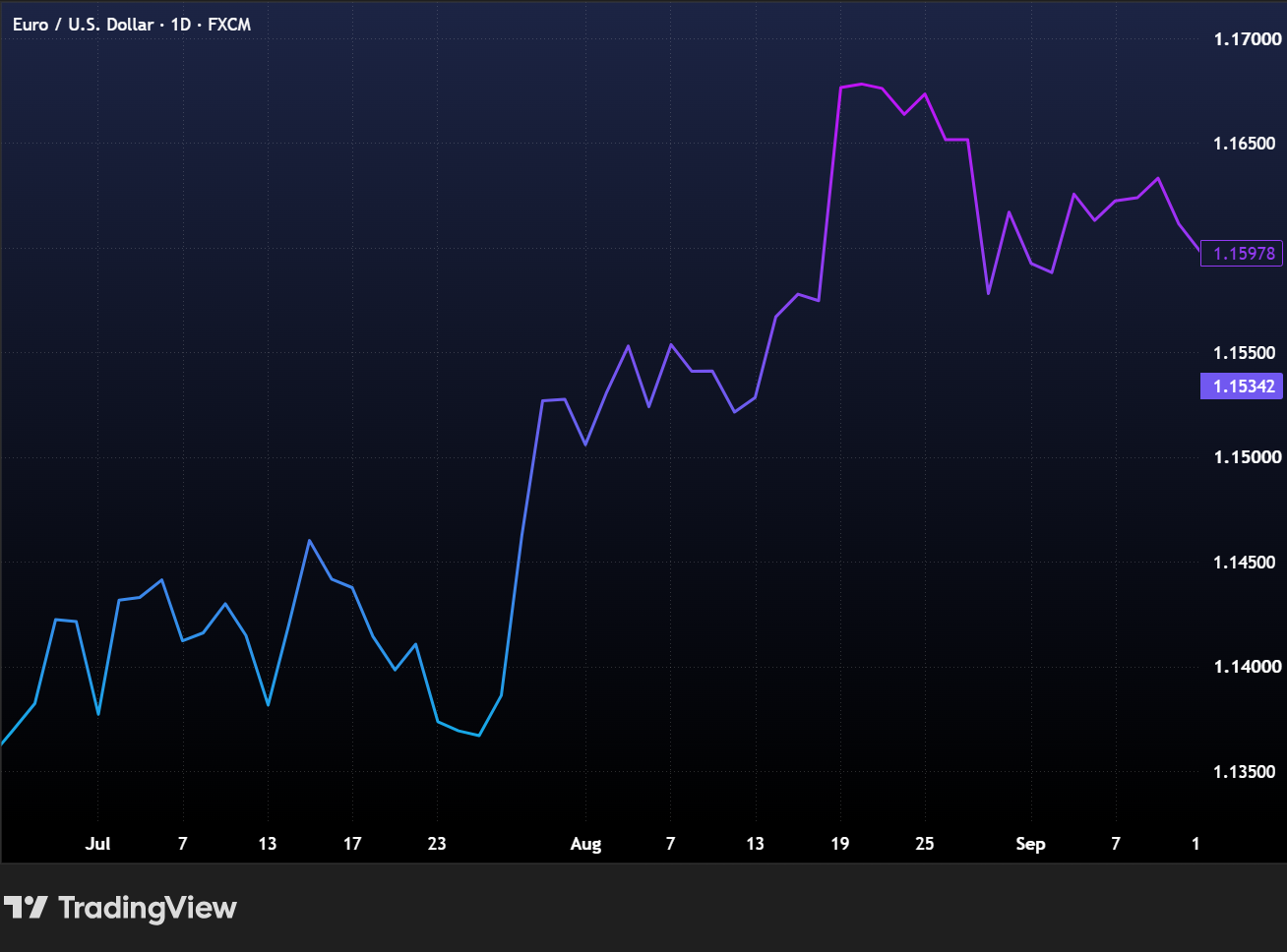
This side of the Atlantic, the UK and EU are expected to hold or increase their central bank interest rates in coming months, making GBP and EUR favourable currencies. The UK posted a surprise 0..4% increase in GDP in July, while the EU’s higher than target inflation of 3.3% indicates the ECB may take action at it’s next meeting.
 EUR/USD (Chart: TradingView)
Origin
Cecafe have released their August figures, and the story from Brazil over the last few weeks has really turned around. Exports for August hit the record for most number of bags ever exported from Brazil in the month, at a whopping 4,155,451 bags, 31% higher than exports in the same month in 2025. Breaking this figure down further, of these bags, 2,865,851 were Arabica and 953,592 were Robusta. The Arabica exports are up around 26% compared to August 2025, a very significant increase, but the Robusta exports have increased by a shocking 54% compared to August 2025. This extremely strong August has helped to even out the overall figures for 2026, which previously had been really quite low. The first 8 months of the year saw 25,073,434 bags exported from Brazil, which is still below the historical average, but only just (1.2%) below the number of bags exported in the first 8 months of 2025.
When looking at the destination of much of this coffee, there is one country that really stands out. In August this year, 537,429 bags of coffee were exported to Belgium. In August last year, it was just 140,643 bags. That is a massive 282% increase year on year. And almost matches the volume of coffee exported to the USA in the same period. Particularly considering Belgium has a population of 12 million people, compared to the USA which is around 343 million! Rather than the Belgians suddenly developing a craze for Brazilian coffee, we expect this huge increase in exports to Belgium is likely to be used to replenish the ICE Arabica certified stocks in Europe. The stocks are currently at their lowest since the 1990s, and Antwerp in Belgium is the main port which much of these stocks are delivered through.
On 4 September, in Indonesia, the volcano Anak Kakatau erupted, causing widespread disruption. 8 people are currently missing at the time of this report, and search and rescue attempts are under way. The volcano is located in the Sunda Strait, between the islands of Sumatra and Java, and has a deadly history. Anak Krakatau means Child of Krakatoa. Krakatoa is a name many will recognise, as its eruption in 1883 was one of the biggest and deadliest the world has ever seen. More than 36,000 people were killed in the eruption, and the average temperature of the whole Earth cooled by 0.6C for months after the eruption due to the effects of the huge amounts of ash in the stratosphere. This explosion caused Krakatoa to collapse, and Anak Kakatau has since formed in the caldera left behind. It has been sporadically active since its formation, most significantly in recent years, Anak Krakatau erupted and collapsed in 2018, causing a huge tsunami which killed over 400 people. There has been no tsunami warning linked to this most recent eruption. However, the volcanic ash has caused disruption, several airports in the region are closed and health warnings have been issued, with people advised to stay inside and some schools closing their premises and moving to remote learning. So far, the impact of the ash seems to be largely logistical, but further implications for coffee cultivation may arise.
Coffee Market Report
This report covers the period from Monday 31st August to Friday 4th Sept and was written by James Duncan and Jamie Treby.
 Arabica (Chart: TradingView)
Market Report
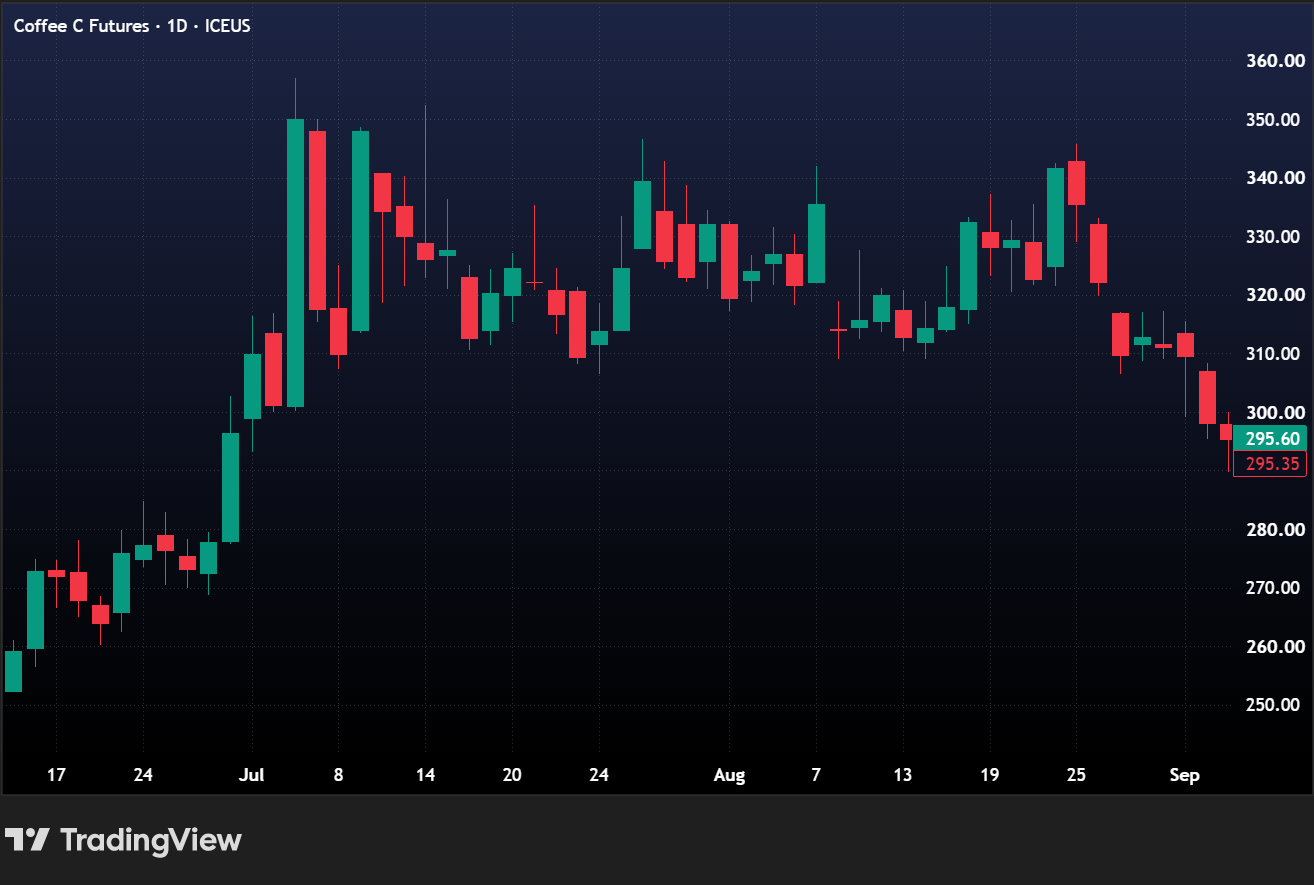
The market opened at 311.05 usc/lb on Monday 31st August, and traded sideways on low volume. 31st August was a bank holiday in the UK, and the Robusta market was closed, which likely contributed to the reduced trading. Tuesday saw interest return to the market, with volumes more than doubling and the market briefly dipping below 300 usc/lb, almost 14 usc/lb lower than open, before recovering to 309.45 usc/lb on close. Wednesday and Thursday continued this decline, breaking through and staying below 300 usc/lb part way through Wednesday’s session. Friday opened at 296.10 c/lb and did briefly surpass 300 c/lb but it could not hold this level and closed the week out at 295.60 c/lb.
The main driver this week was increased supply following the Brazilian harvest. Reports suggest that many warehouses in Brazil are not accepting new supplies, which means that any further produce will have to go to market rather than be stored in hope of a better price, potentially leading to some heavy origin selling.
 DXY (Chart: TradingView)
 GBP/USD (Chart: TradingView)
Currency & Macro
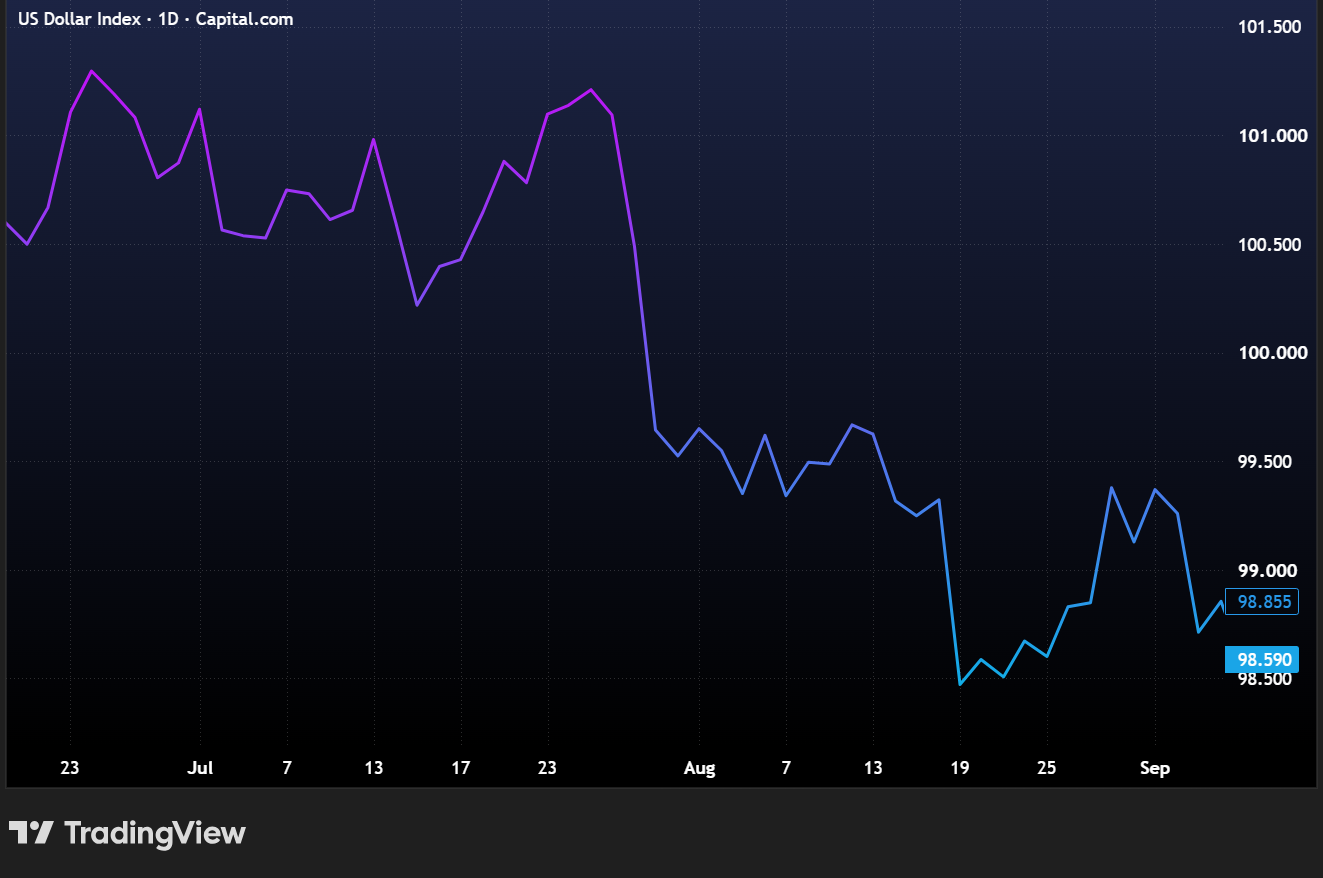
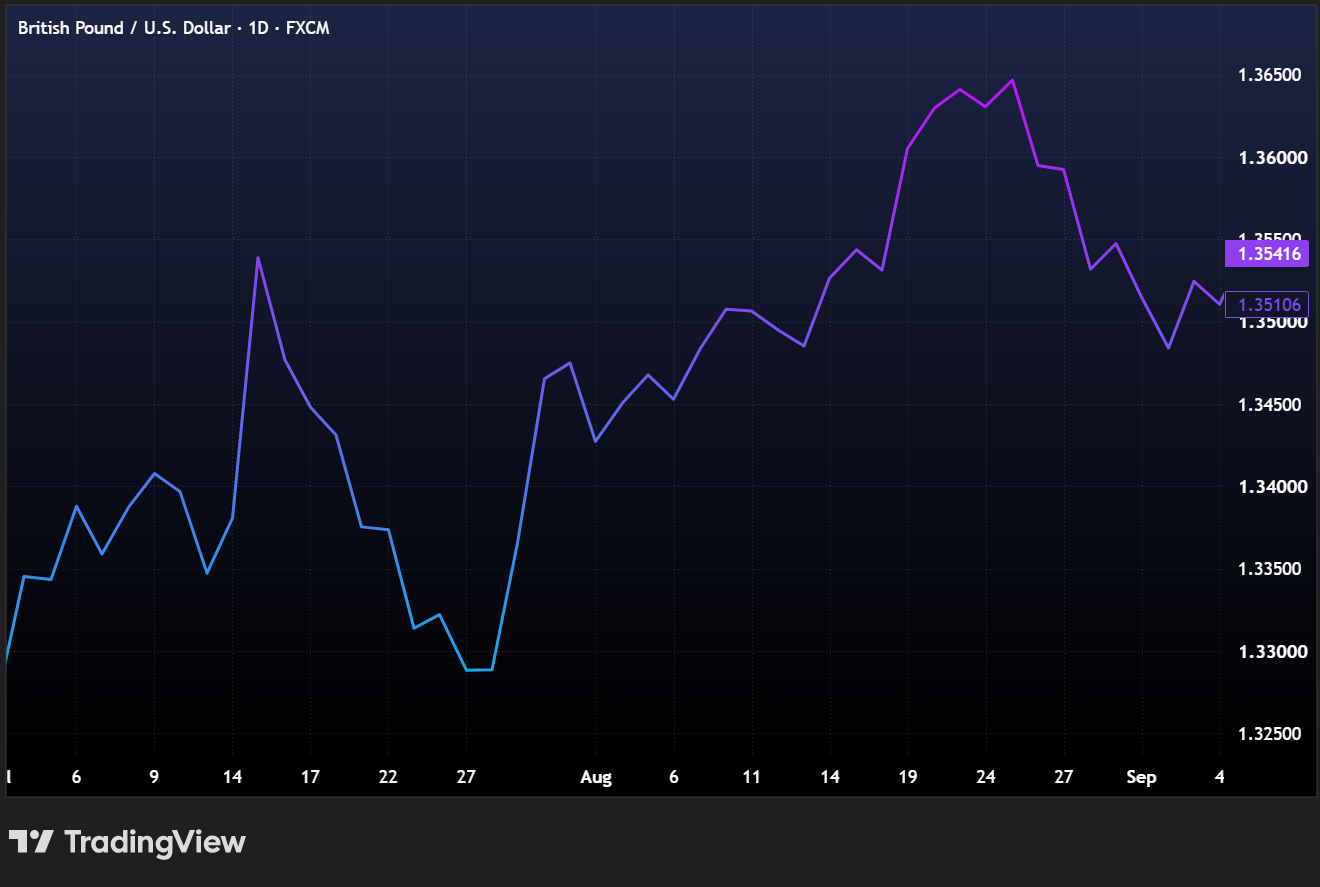
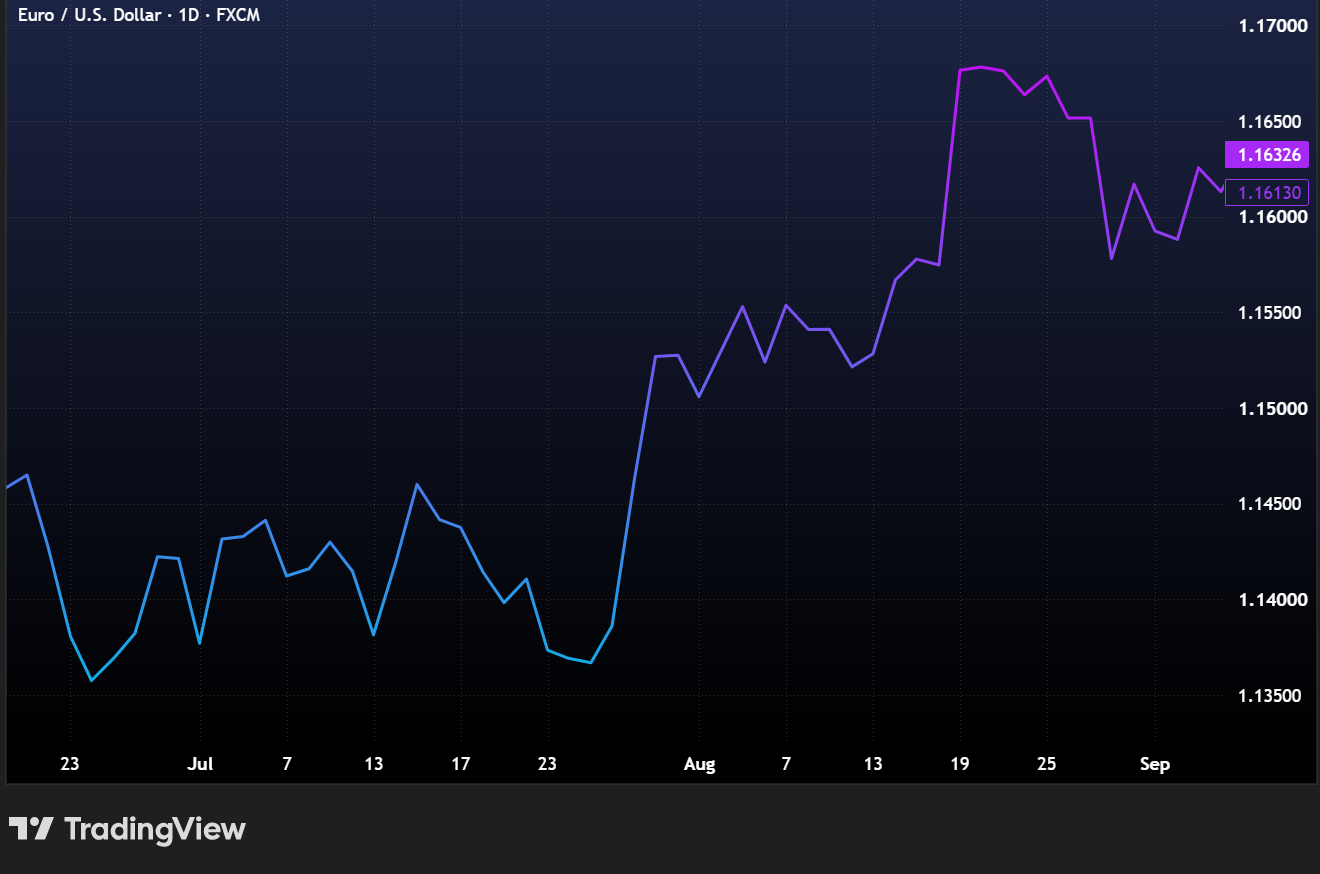
Much of the currency movement this week was underpinned by expectations of future economic data. Both the GBP/USD and EUR/USD pair firmed around 1.35 / 1.16 respectively in anticipation of Friday’s non-farm payroll data in the US. The ECB is expected to raise interest rates at its next meeting on 10th September, while the BoE is less likely to at its meeting on 17th September.
 EUR/USD (Chart: TradingView)
Origin
Indonesia’s coffee sector is currently being shaped by two contrasting trends. On one hand, the government is pursuing an ambitious expansion strategy centred on premium origins such as Gayo, with Agriculture Minister Andi Amran Sulaiman highlighting plans to increase production, distribute improved planting material and ultimately raise the value of Indonesian coffee exports from around Rp40 trillion towards Rp100 trillion annually. This reflects a broader policy focus on strengthening Indonesia’s position in global coffee markets through higher production, improved farmer incomes and greater export competitiveness.
At the same time, Indonesia is becoming increasingly engaged in international discussions around sustainable commodity supply chains. In late August, the Government of Indonesia and UNDP convened Indonesia, Malaysia and Papua New Guinea to explore cooperation on traceability, market access, climate resilience, smallholder livelihoods and sustainable commodity production. While the forum focused primarily on palm oil and cocoa, the themes are highly relevant to coffee as buyers place greater emphasis on responsible sourcing, supply-chain transparency and environmental performance.
These ambitions must, however, be viewed alongside a more cautious production outlook. The latest USDA Coffee Annual forecasts Indonesian coffee production falling by around 8% in 2026/27 to 11.38 million bags, largely because excessive rainfall affected flowering and fruit development in major Robusta regions of Sumatra and Java, while previous flooding damaged some Arabica areas in Aceh and North Sumatra. Recent eruptions of Anak Krakatau have disrupted aviation and temporarily closed several airports due to volcanic ash, but there is currently no evidence of a direct impact on coffee production, coffee logistics or seaport operations.